Nairobi River Commission Driving Urban Renewal as Regeneration Programme Restores Rivers and Communities

The Nairobi River Commission has emerged as a key institution in the ongoing transformation of the Nairobi River Basin, coordinating one of Kenya’s most ambitious environmental and urban renewal initiatives through the Nairobi River Regeneration Programme.
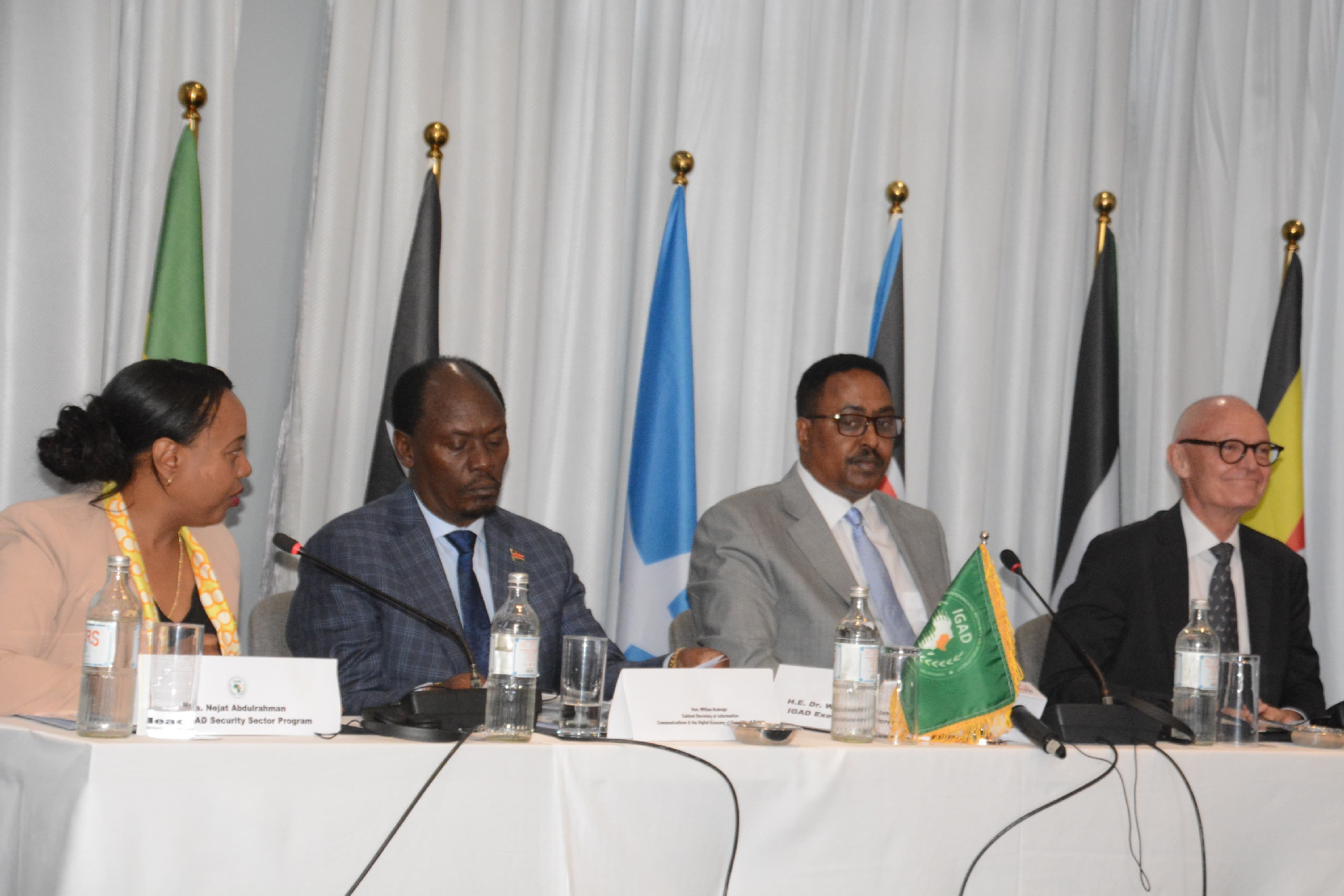
Speaking during an event at Kicc BRIG. Joseph muracia For decades, Nairobi’s rivers formed an important part of the city’s natural heritage, supporting ecosystems, livelihoods, and communities. However, rapid urbanization, population growth, industrial expansion, and the growth of informal settlements placed immense pressure on these water bodies.
"Over time, illegal dumping of waste, discharge of untreated wastewater, encroachment on river reserves, and inadequate waste management systems severely degraded the rivers. Once vibrant waterways gradually became polluted channels that could no longer effectively perform their ecological and environmental functions." He said
The impact of this degradation has been significant. Communities living along river corridors have experienced frequent flooding, poor sanitation, environmental health risks, and declining living conditions. Businesses have also suffered economic losses while the city continues to bear the social, economic, and environmental costs associated with polluted rivers.
Recognizing the urgency of the situation, the Government of Kenya launched the Nairobi River Regeneration Programme, a comprehensive initiative aimed at restoring river health, protecting riparian reserves, improving environmental sustainability, and creating social and economic opportunities.
At the centre of this initiative is the Nairobi River Commission, which serves as the coordinating agency bringing together national and county governments, development partners, the private sector, civil society organizations, and local communities.
The commission emphasizes that successful river restoration extends beyond environmental conservation. It requires coordinated investments in sanitation, wastewater management, housing, urban planning, infrastructure, and community development.
Community participation remains a cornerstone of the programme. Through public consultations, stakeholder engagements, environmental awareness campaigns, and cleanup exercises, residents have become active participants in shaping solutions that address local challenges.
Young people have also become central to the transformation process. Through initiatives such as Climate WorX, thousands of youths have been engaged in river cleanups, waste collection, tree planting, landscaping, and environmental conservation activities. These initiatives not only restore the environment but also create employment opportunities and promote environmental stewardship.
Significant progress is already visible across several sections of the Nairobi River Basin. Large-scale cleanup operations have removed substantial volumes of waste from rivers, drainage channels, and riparian areas, helping to restore river flow, improve environmental quality, and reduce pollution levels.
The programme has also focused on reclaiming and protecting riparian reserves that had been encroached upon over the years. These interventions are enhancing ecological integrity, improving flood resilience, and creating opportunities for sustainable land use.
To address long-standing infrastructure challenges, major investments are being made in sanitation and wastewater management systems. The construction of a trunk sewer system is expected to significantly reduce the discharge of untreated wastewater into rivers while improving sanitation services for surrounding communities.
Additional upgrades are underway in areas such as Kamukunji Grounds and Gikomba Market, where drainage systems, sanitation facilities, accessibility infrastructure, and public spaces are being improved to create cleaner, safer, and more functional urban environments.
The programme is also supporting social housing initiatives aimed at providing safe and dignified alternatives for families living within high-risk flood-prone riparian areas. As river corridors are reclaimed and protected, affected households are being considered for relocation to planned developments with improved access to water, sanitation, roads, and other essential services.
According to the Nairobi River Commission, the progress achieved so far demonstrates that the Nairobi River Regeneration Programme is more than an environmental initiative. It is a comprehensive urban renewal programme that is improving public health, creating employment opportunities, strengthening climate resilience, enhancing environmental sustainability, and revitalizing communities.
Looking ahead, the commission envisions a cleaner, greener, safer, and more resilient Nairobi through continued collaboration among government agencies, communities, development partners, the private sector, and other stakeholders.
The Nairobi River Regeneration Programme continues to advance its mission of restoring rivers, transforming lives, and building a sustainable future for generations to come.